I wanted to share another fun opportunity to be a ‘citizen scientist’ – helping out the UK Pollinator Monitoring Scheme (PoMS). This project was explained by a representative of the UK Centre for Ecology and Hydrology in an online webinar in February, part of the National History Consortium’s Citizen Scientist Showcase.

Hover Fly, insect close shot by National Park Service is licensed under CC-CC0 1.0
The goal of this project is to compile nation-wide information about the abundance of bees, hoverflies and other insects that pollinate. Like the hedgehog monitoring programme I wrote about a few weeks ago, anyone can get involved to help, participating requires virtually no preparation or special skills, and being involved gets you out into nature!
To help with this project, you pick a 50 x 50 cm patch with a bunch of flowers (you count landings on the same species of flower in that patch), wait for a day that is sunny, and for 10 minutes you count the numbers of insects landing on the flowers in that patch – identifying them based on broad categories (you do not have to be an expert ). You input your findings via an app or website. That’s it! This count period started on April 1 and the project continues until September 30; you can do it as often as you wish. My wife and I plan on starting this in early April and continuing throughout the summer.
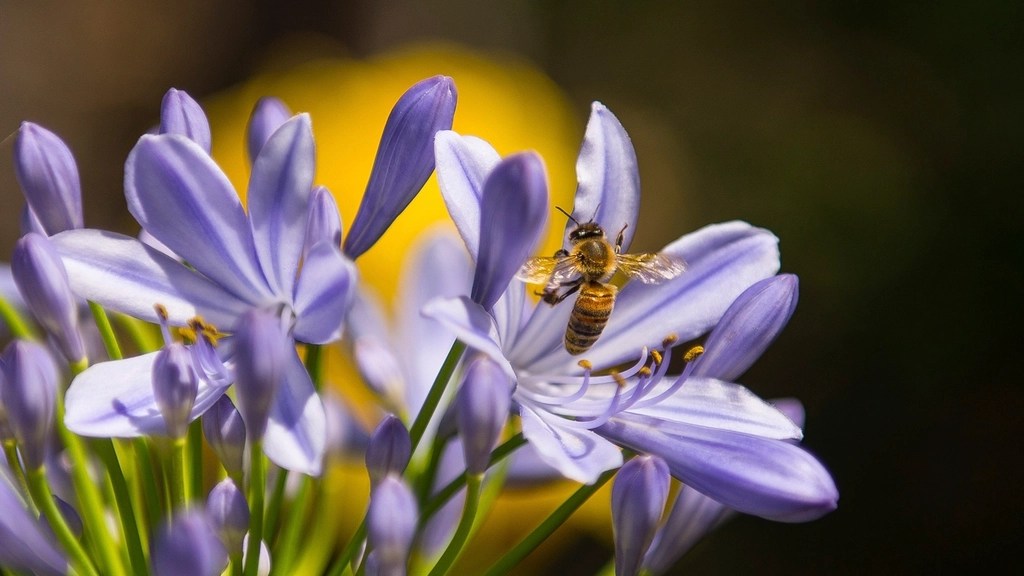
There are further useful instructions e.g. preferred flower species for the project, how to do the count systematically (e.g. only count an insect that lands multiple times on the flowers you are monitoring as one), how to identify different insects, how to map out the patch you are watching, and how to input your data. All this information is covered on the PoMS website: https://ukpoms.org.uk/
You can view this information covered in clear detail on the taped online webinar titled “Ten minutes to count the insects! How to monitor pollinators with PoMS”, presented by staff of the UK Centre for Ecology and Hydrology. The link to this specific video is : https://www.youtube.com/watch?v=CoYHYNHFgfs&list=PLm-SGeLNXMRGn95HWmABjXpHqOfVWa6jl&index=3
If you want to see some of the other webinars from the February Citizen Scient session, you can go to the YouTube page for the National History Consortium – Citizen Science Showcase: https://www.youtube.com/playlist?list=PLm-SGeLNXMRGn95HWmABjXpHqOfVWa6jl
Helping out on this nationwide count is a wonderful excuse to get away from your computer or spring cleaning tasks, a reason to get outside to enjoy spring weather and watch (and maybe smell!) the flowers. You will be contributing to data gathering that will help future policy and advocacy efforts aimed at ensuring the preservation of these critical insects.
Spring is finally here (!) so let’s get out and look for those pollinators!
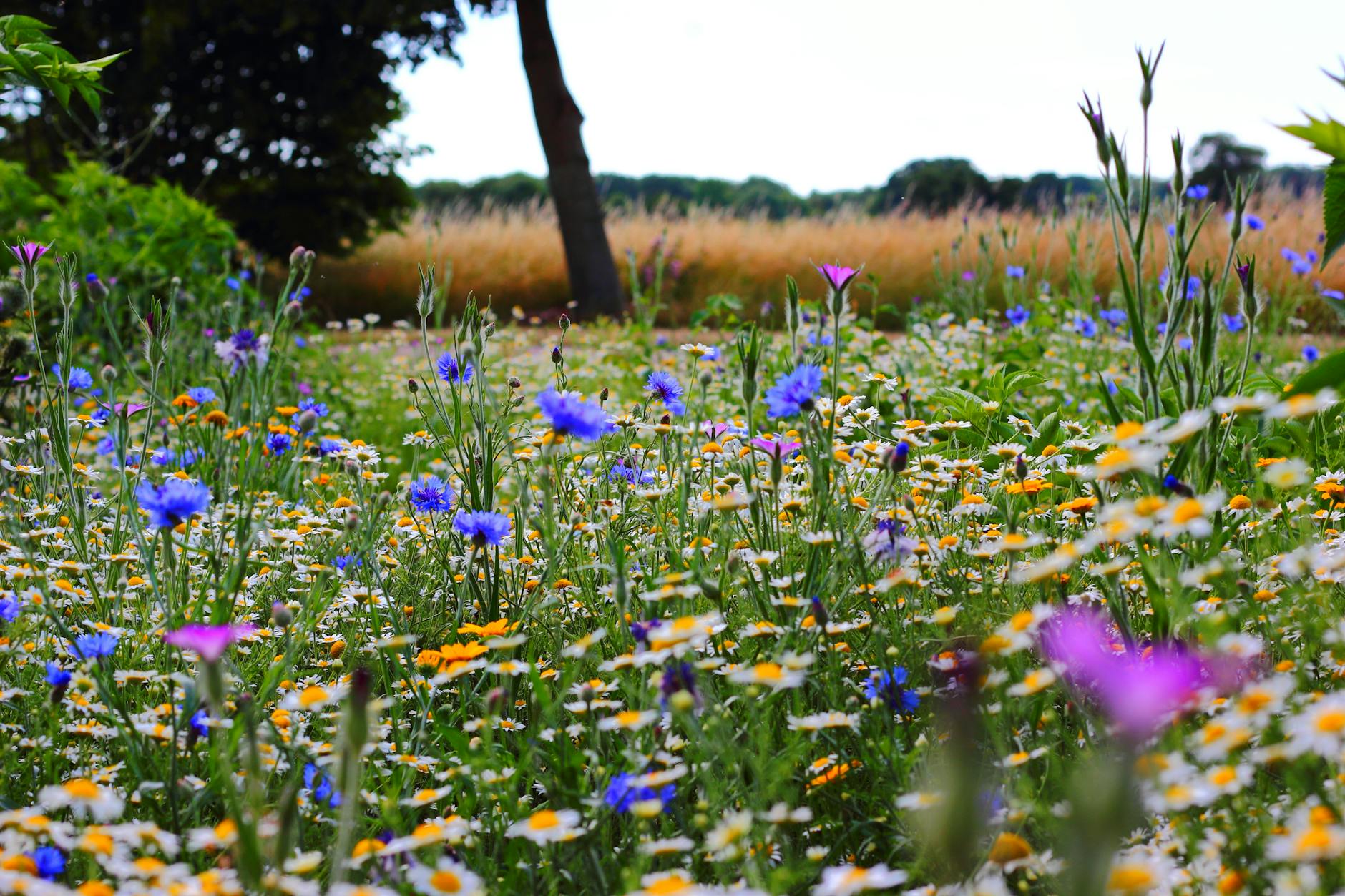
Photo by Freddie Ramm on Pexels.com
 Ilfracombe postings
Leave a comment