It has been a long, grey, wet winter and we are all eagerly looking forward to warmer temperatures and more sunshine in the coming days. The daffodils and crocuses and wild garlic are doing their bit, braving still sometimes bitter winds to add a splash of color to hillsides and paths. Below are some ways to get back into nature and embrace the coming weeks of spring.
Citizen Science projects
UK Pollinator Monitoring Scheme
As I wrote about last year, you can help collect data – and feel closer to the life buzzing and flowering and tweeting around you – by participating in the UK Pollinator Monitoring Scheme (PoMS). See link to April 7, 2025 post. They are gearing up for a start date of April 1 this year to begin counting and documenting insect life attracted to emerging plants. You can help add to scientific awareness of what is, and is not, occurring in our local ecosystems.
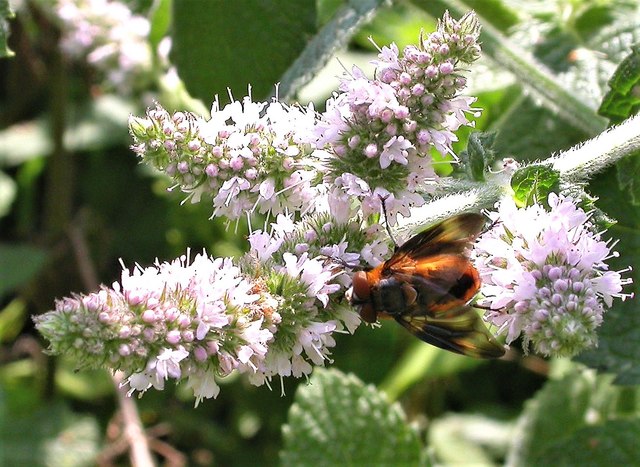
Tachinid fly on mint flowers, Churchland Lane by Patrick Roper is licensed under CC-BY-SA 2.0
Westcountry Rivers Trust – Citizen Science Volunteers (See link to webpage)
You can volunteer to periodically test local rivers and streams land submit the data to help monitor water quality, enable scientists to identify areas of concern and provide information to identify needed responses and influence actions needed. The goals of the Westcountry Citizen Science Investigations are:
* To produce data that can be used to target work and identify degrading water bodies.
* To spot pollution events which can be dealt with as quickly as possible.
* To create a network of catchment communities that are invested in their local environment
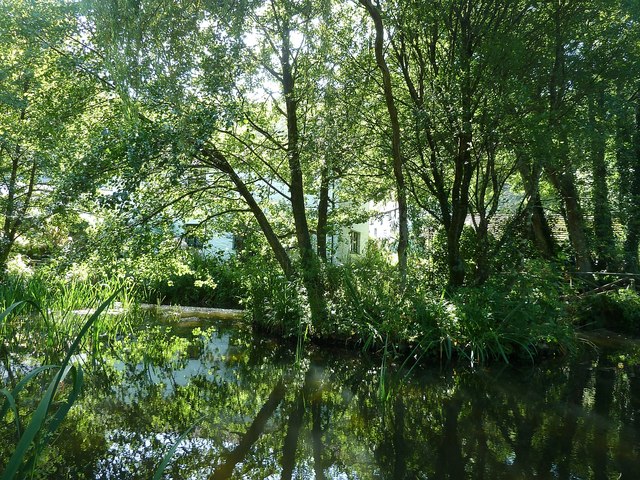
View across pool at Chambercombe Manor by Rob Farrow is licensed under CC-BY-SA 2.0
Marine Conservation Society – The Big Seaweed Search (see link to website)
The Big Seaweed Search is a “…joint project between the Marine Conservation Society and the Natural History Museum …(that) asks volunteers to identify, photograph and record 14 key species of seaweed that can be found around the UK coastline.” The goal is to use resulting seaweed maps to document ocean and environemntal conditions and in particular to monitor changes – and formulate proposals for needed actions – in our coastal regions. You can learn more about the ocean environment that gives Ilfracombe its unique identity.
British Trust for Ornithology – Garden Birdwatch (see link to website)
By spending time watching and recording the bird life visiting your garden, and documenting this online, you can become “…more connected to nature, learn about your garden wildlife and contribute to important scientific research.” The site provides resources to learn more about bird life and only asks for a minimum of 20 minutes a week watching and recording the birds you see. Knowledge gained from the observations of thousands of citizen scientists will help in monitoring local bird life, and identify ways to encourage and support the well being of these populations.
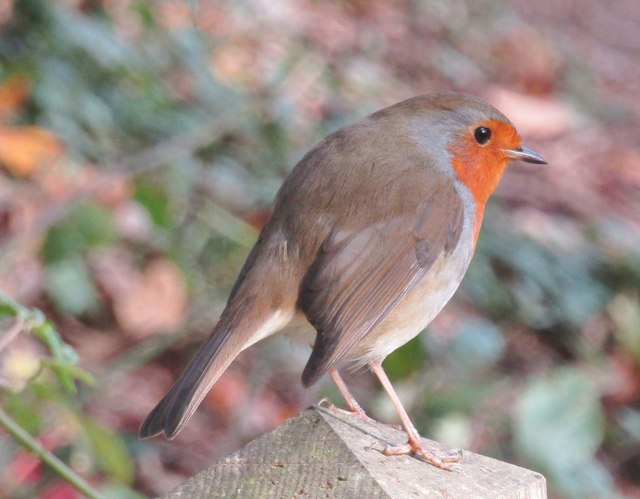
Winkworth Arboretum – Robin by Colin Smith is licensed under CC-BY-SA 2.0
Woodland Trust – Nature’s Calendar (see link to website)
You can contribute to recording changes in our local ecosystem by tracking the effects of weather and climate shifts, recording your sightings of plants, animals and fungi. We all know spring seems to have come early this year – help record these and other changes and add to data used by scientists as they monitor these changes, and identify responses. On their website, you can find a link to the ‘State of the UK Climate in 2024′, which utilizes some of the information from these Nature Calendar records.
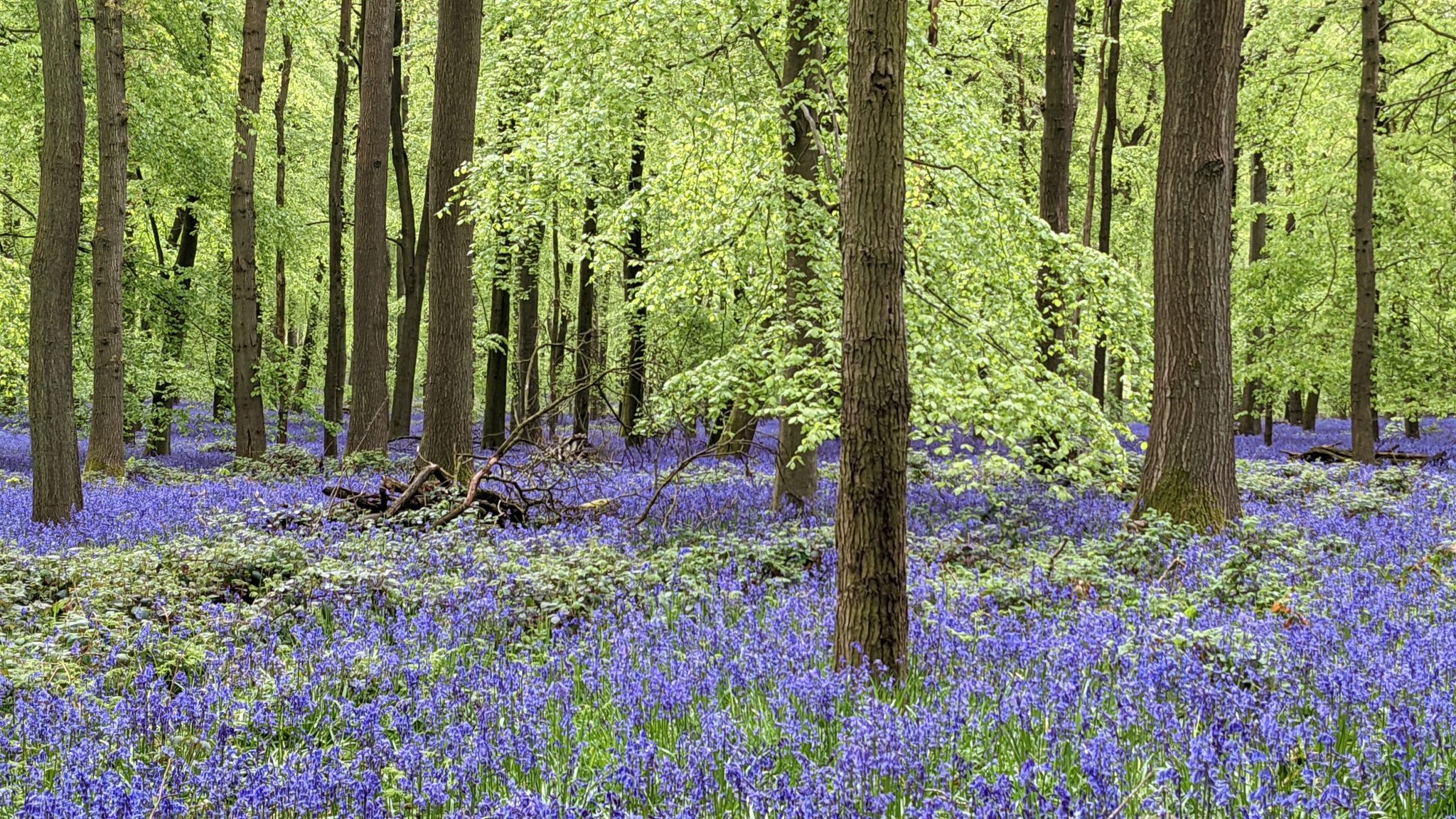
A field of bluebells by msdeegan is licensed under CC-CC0 1.0
So dust off your sunglasses and get outside to appreciate the life budding and buzzing around us, as well as contribute to the scientific data and records over time that are so essential to protecting and supporting the natural beauty we treasure here in Ilfracombe and North Devon.
 Ilfracombe postings
Leave a comment