Government Reorganization for Devon
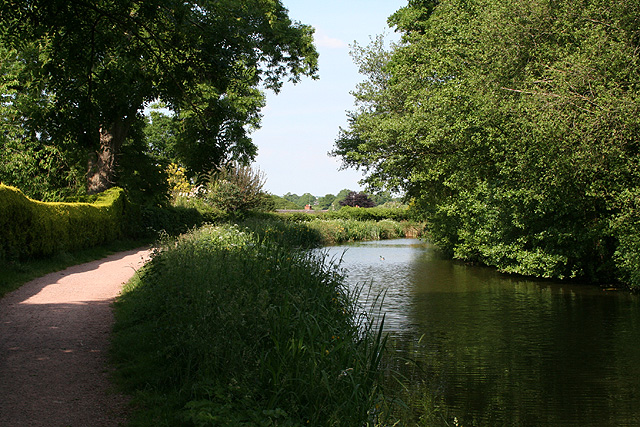
Tiverton: Grand Western Canal at Tidcombe by Martin Bodman is licensed under CC-BY-SA 2.0
I wrote in the past that a major reorganization was coming and it is now here. A major decision was made by Whitehall in July regarding the restructuring of local governance authorities for our county.
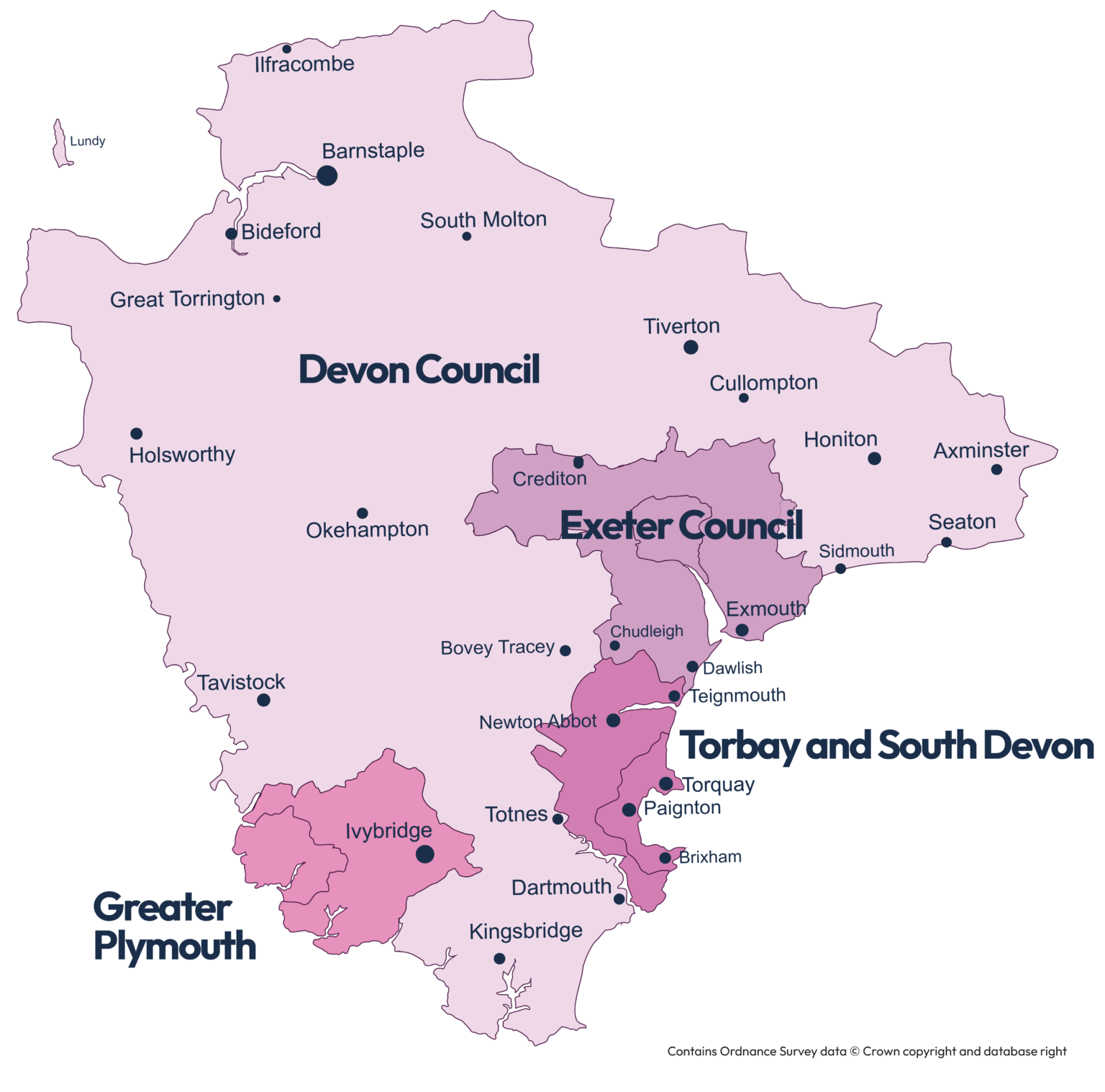
There will be dramatic changes that impact us here in Devon. The communities in Devon will now be divided into four unitary authorities: Exeter Council (made up of the city of Exeter (as well as Crediton and Exmouth), Torbay and South Devon, Greater Plymouth, and Devon Council (previously termed Devon Coast and Countryside).
The first three authorities are based around urban centers, while the fourth authority (which includes Ilfracombe) – by far the largest – is made up of all the remaining regions in Devon, dominantly rural communities and small towns (a population of approximately 455,000). See link to see map: https://www.devon.gov.uk/news/wp-content/uploads/sites/146/2026/07/lgr-map-1-1536×1518.png
All existing District and County councils will be abolished, replaced by these four new authorities. Town and parish councils will be unaffected and remain as they are now. You can see more details on how this reorganization was decided, the implications for change, and some FAQ answers to questions you might have by going to the ‘Future Devon’ website: https://www.futuredevon.org.uk/

This change follows months of debate and discussion including some opportunities for input from community members, local authorities and community leaders (including Ilfracombe Town Councilors). There were competing views proposed of how to divide up the region; the one chosen was preferred by representatives from Plymouth and Exeter. Government offices are now working to implement this restructuring based on an established timeline. There will be elections for councilors on the new Devon Council taking place May 2027 to elect ‘shadow’ representatives who will work alongside existing authorities as they continue to ensure services are provided. Then, according to current plans, the new councilors, and new Council, will be vested with authority in April 2028. There are still many specifics to be worked out, including how many councilor positions will represent Ilfracombe on the Devon Council.
The BBC has a question and answer page that might address some of your concerns or queries, based on what is known at this point: https://www.bbc.co.uk/news/articles/cn8n1xyr2pko
Not everyone is happy with this organization, in particular there are concerns that funding and other resources will be focused on the major cities, leaving rural areas in the Devon Council with less attention and support. In fact, the leader of Devon County Council has initiated the process to mount a possible legal challenge to this restructuring, citing concerns that this model “…prioritises urban expansion while failing to address the concerns of Devon’s rural residents or the core services we deliver.” The concern is that this city based model will disadvantage the large number of rural communities lumped together under the Devon Council authority. Discussions about possible responses, challenges, and further queries about how the decision was made are ongoing. See article: https://www.northdevongazette.co.uk/news/county-begins-legal-challenge-to-devon-council-shake-up-8837927
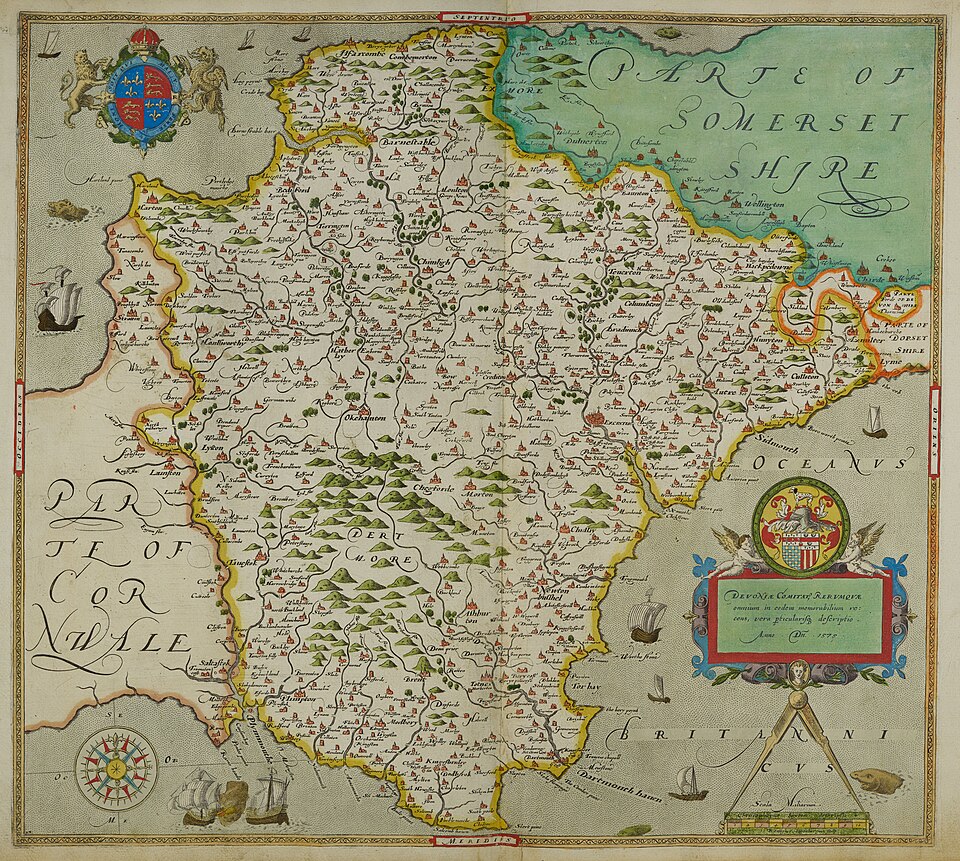
Christopher Saxton’s map of Devon, 1575, published 1590. Public Domain
Dealing with the Heat and Drought
As you are well aware, we have been having extremely hot and dry conditions; I would say ‘unseasonably’ hot and dry, but the harsh fact is – due to ongoing climate change – it is now impossible to predict what is seasonal or usual. But there is no question we are experiencing weather conditions we are not used to and we must learn how to adapt.
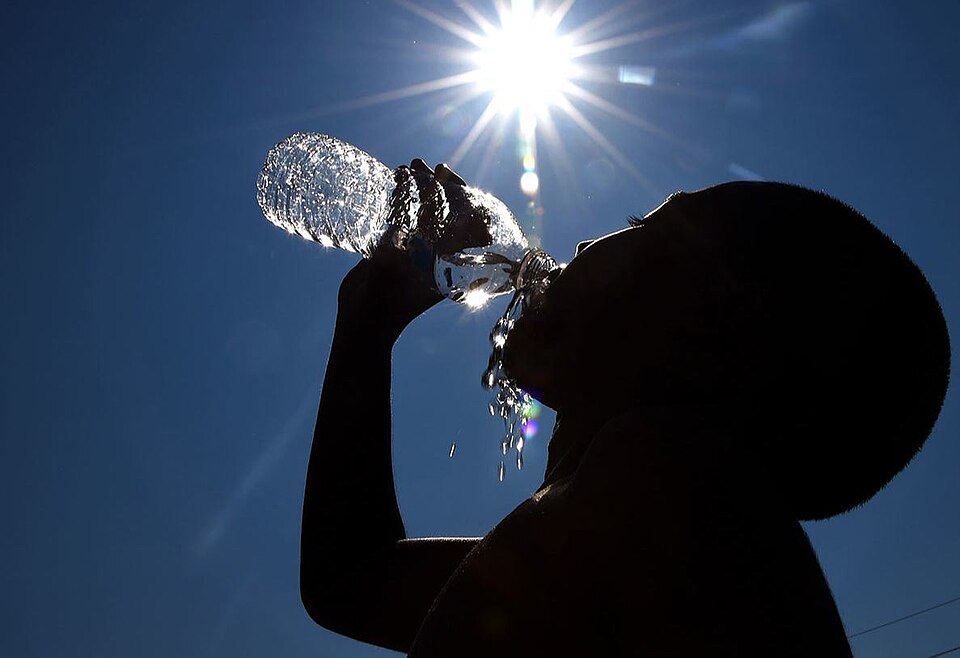
Don’t Get Beat by the Heat, PSA. Public domain
Drought
The UK government issued a detailed press release a few weeks ago listing current drought warnings in place. There is also a list of actions being taken by the government to ensure water supplies for communities as well as protecting species (e.g. fish and eels). See press release: https://www.gov.uk/government/news/drought-declared-in-half-of-england
If you want to track the status of drought conditions in the UK in real time, check out this site: https://www.drought.uk/
There are things you can do now (and in the future) to reduce your use of water and end unnecessary waste. Here are some tips from the Red Cross:
“Saving water indoors
Make sure your home is leak-free. Take a reading of your water metre. Wait 30 minutes without using any water and then take a second reading. If the reading changes – you have a leak
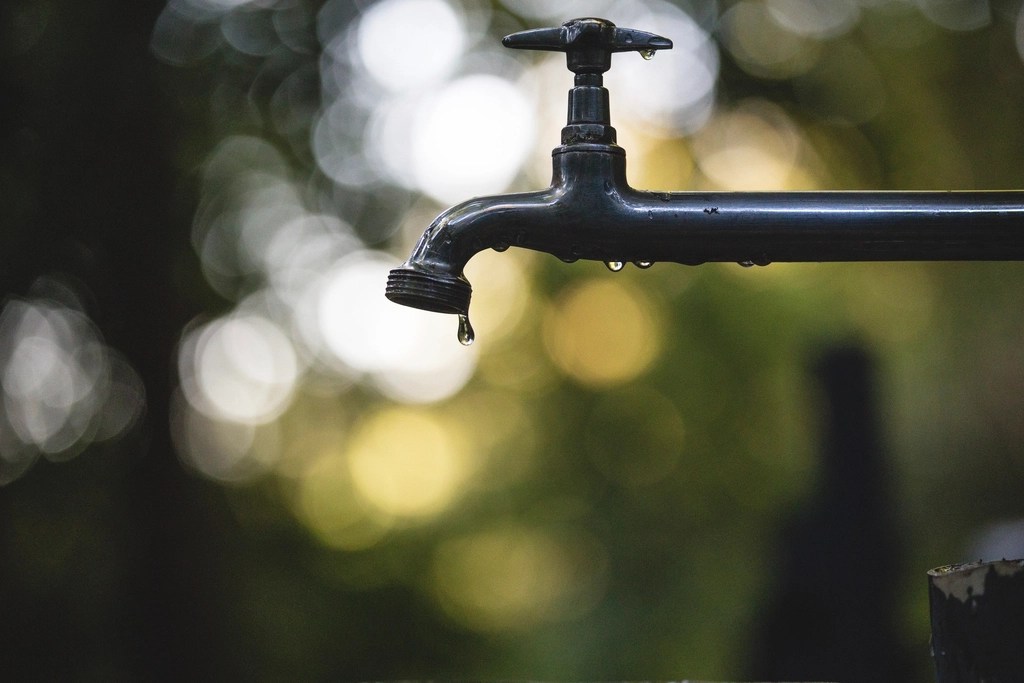
Repair dripping faucets by changing washers – one drop per second wastes 2,700 gallons per year.
Don’t pour water down the drain if there’s another use for it, like watering plants.
Saving water in the bathroom:
Take shorter showers and cut out baths
Replace your showerhead with an ultra-low flow version
Place a bucket in the shower to catch excess water for plants
Don’t let the water run while brushing your teeth or washing your face
Saving water in the kitchen:
Only use dishwashers when they’re full. Use the ‘light’ cycle and try not to rinse plates beforehand
Don’t waste water while waiting for it to become hot or cold – capture it for other uses, like watering plants
Use washing machines when they’re full, or set the water level for the size of your load
Saving water outside
There’s good evidence that grassy lawns grow back when it rains. So try to live with your brown lawn for now. Shrubs and trees are also a lot more water-tolerant than we think
Consider using a commercial car wash which recycles water instead of washing your own car
Get a water butt. When it does rain, you’ll have a supply especially for your garden and car
Don’t use ‘high quality’ tap water. Follow water conservation and water shortage rules in effect in your area”
Photo by Fotografia Eles Dois on Pexels.com
Extreme Heat
We are also experiencing unusually high heat and humidity levels, and for extended periods of time. There are things you can (and some you really must) do to stay healthy and safe during these heat waves. Here are a few articles with tips and suggestions.
For you and your family
– ‘Extreme Heat Safety. Learn how to stay safe during a heat wave and how to treat heat-related illness like heat exhaustion’. Red Cross. https://www.redcross.org/get-help/how-to-prepare-for-emergencies/types-of-emergencies/extreme-heat-safety.html
– ‘Beat the heat: staying safe in hot weather ‘. U.K. government publication. https://www.gov.uk/government/publications/beat-the-heat-hot-weather-advice/beat-the-heat-staying-safe-in-hot-weather
– ‘Heat Safety’. U.S. government publication. https://heat.gov/heat-safety/
– ‘Heat guide. What to do if you or someone you love lives in an area experiencing a heat wave’. Yale Climate Connections. https://yaleclimateconnections.org/heat-guide/?utm_source=e007cd04ee&utm_medium=website&utm_campaign=ex-weather&utm_medium=email&utm_campaign=20260526%20Tuesday%20newsletter&utm_source=Weekly+News+from+Yale+Climate+Connections&utm_campaign=c4dcc6a21e-EMAIL_CAMPAIGN_2026_05_22_05_13&utm_medium=email&utm_term=0_e007cd04ee-fb84231313-59364354
– ‘How to keep cool in a heatwave: 25 tips from the people who know best, from a Rio lifeguard to an Egyptian archaeologist’, Laura Potter, The Guardian, July 26 2026. https://www.theguardian.com/environment/2026/jul/26/how-to-keep-cool-in-a-heatwave-from-people-who-know-best?CMP=GTUK_email

Photo by Om Thakkar on Pexels.com
For wildlife
‘Garden birds in a UK Heatwave: Water and Shade’, Garden UK. https://gardenuk.co.uk/wildlife/garden-birds-heatwave-uk/
‘How to help garden wildlife in a drought’, Royal Horticultural Society. https://www.rhs.org.uk/science/articles/helping-wildlifeSee link
‘Help wildlife in the hot weather, The Wildlife Trusts. https://www.wildlifetrusts.org/actions/help-wildlife-hot-weather
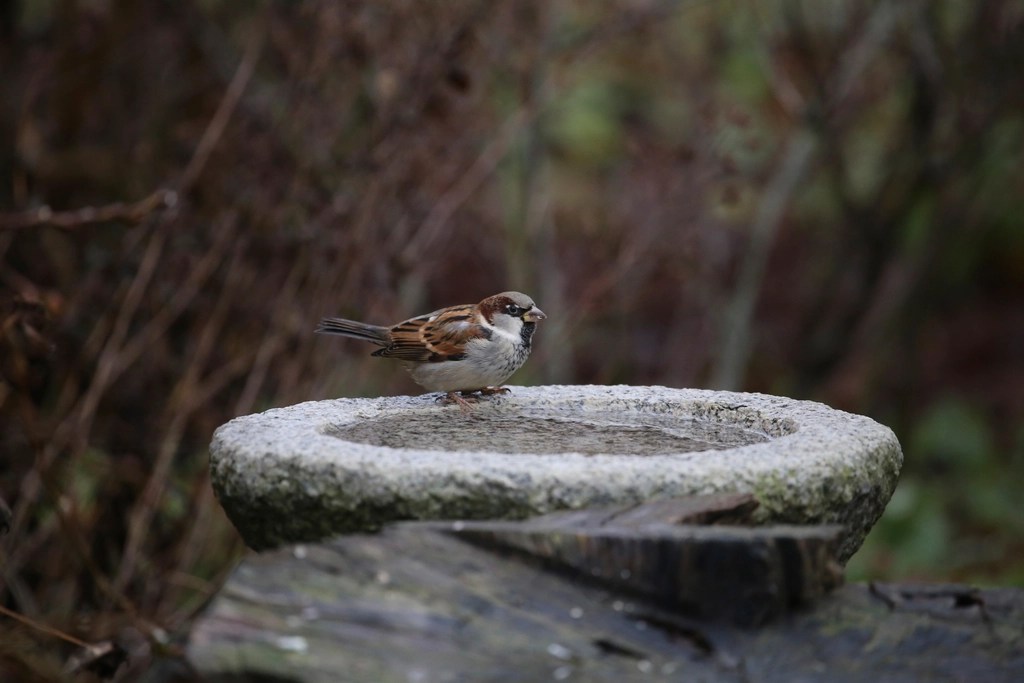
Stay hydrated, help out those who are vulnerable (including animals!), and stay safe.


Leave a Reply